Discover ARC’s Structural Analysis Services
Access advanced NMR, mass spectrometry, spectroscopy, and X‑ray crystallography tools to support precise structural characterization across diverse research needs.
Nuclear Magnetic Resonance (NMR)
The NMR Laboratory at ARC offers advanced nuclear magnetic resonance (NMR) spectroscopy tools for studying small molecules, macromolecules, and complex materials. Our lab supports a wide range of research in chemistry, biochemistry, materials science, and related disciplines, with both self-use and full-service options available, both to CSU and external users.
Services
- Liquid-state NMR: for small molecules, natural products, and macromolecules.
- Solid-state NMR (coming soon): for studying insoluble materials, soil, polymers and crystalline solids.
- Structural elucidation: of small molecules and reaction products.
- Quantitative NMR (qNMR): for accurate concentration and purity determination.
- Variable-temperature (VT) experiments: for temperature-dependent studies.
- Method development: for non-routine or low-abundance nuclei.
- Expert consulting: on experimental design and data interpretation.
Instruments
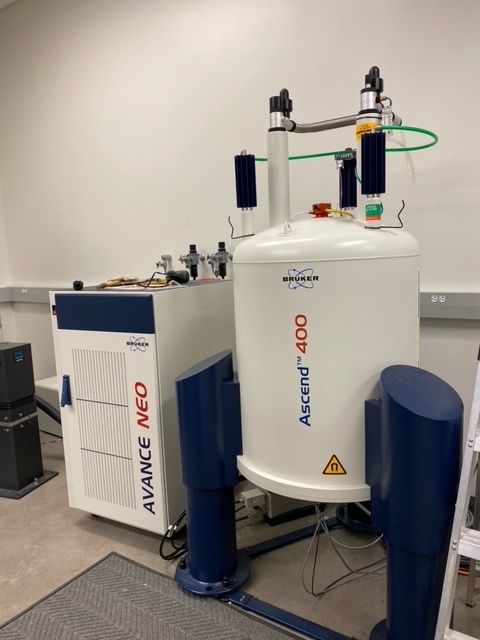
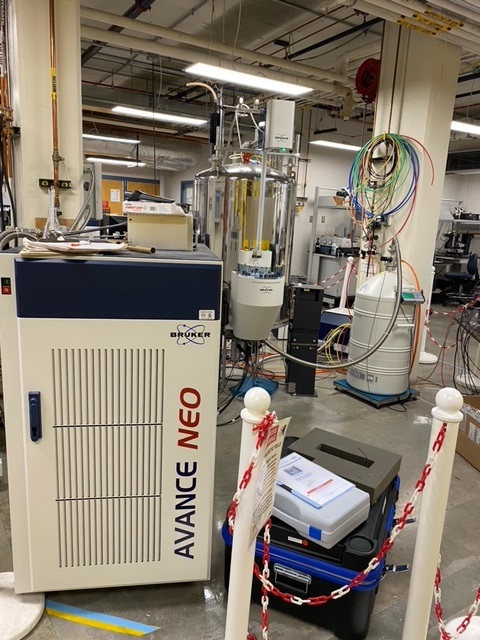
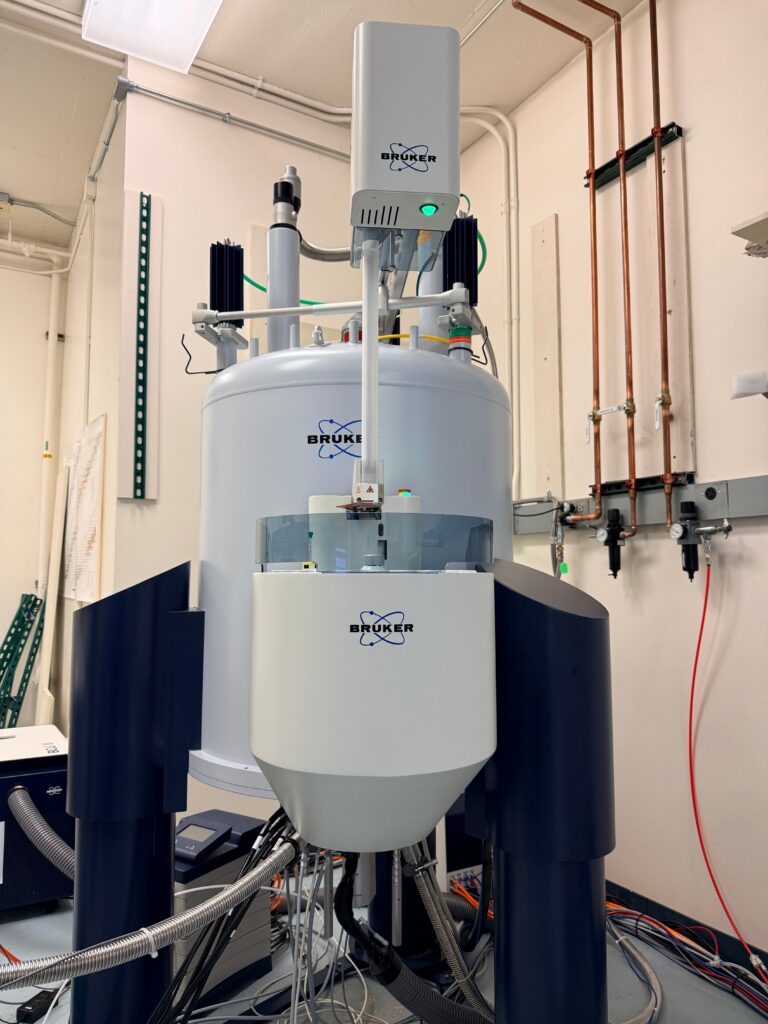
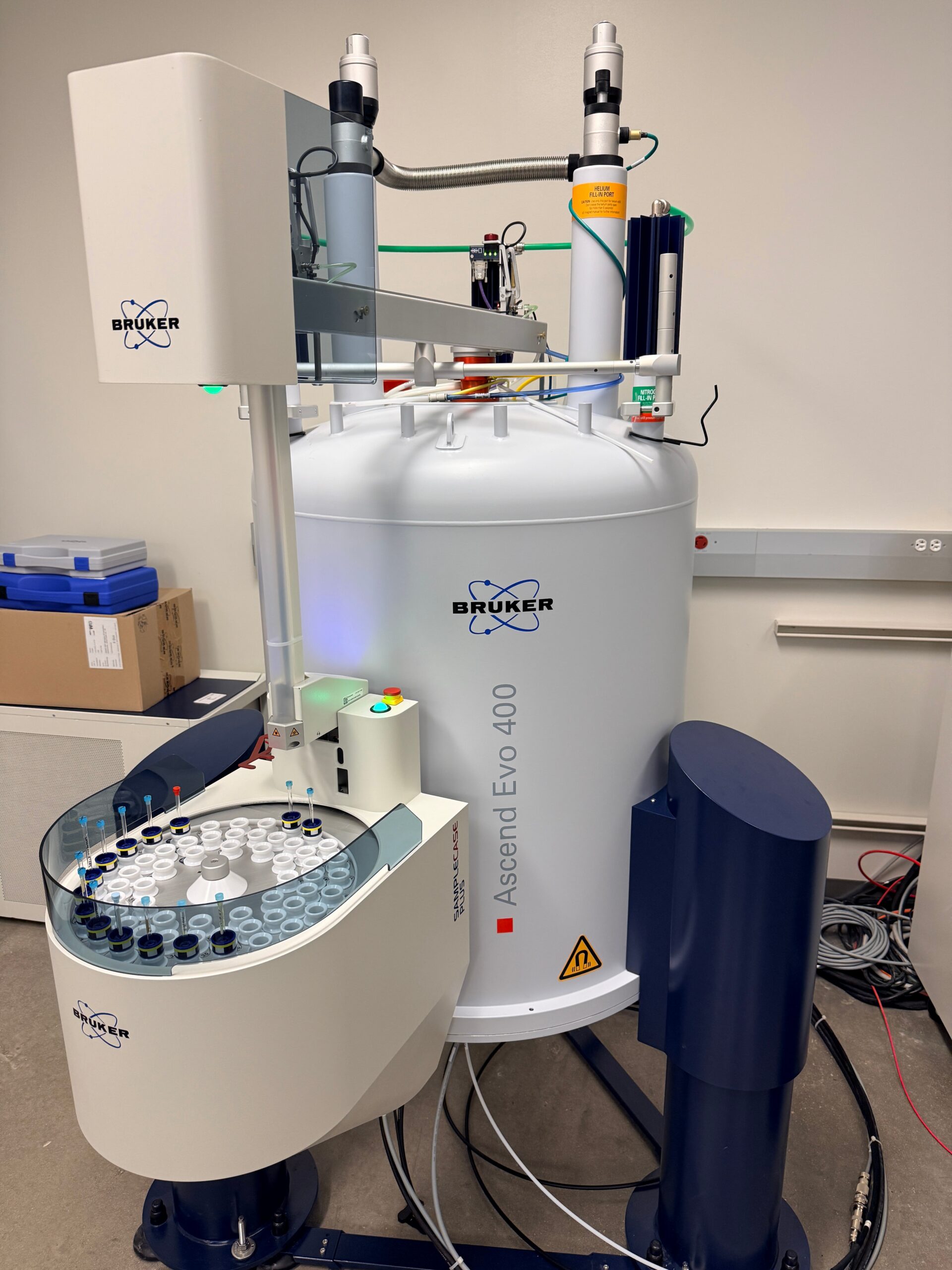
- Bruker US400: 400 MHz NMR for liquid samples, equipped with BBFO SMART ProbeTM and 24 sample SampleCaseTM.
- Bruker NEO400: 400 MHz NMR for liquid samples, equipped with a ProdigyTM BBFO Probe and 24 sample SampleCaseTM.
- Bruker Ascend 400 (ASC400): 400 MHz NMR for liquid samples, equipped with BBFO smart probe, and extended range VT.
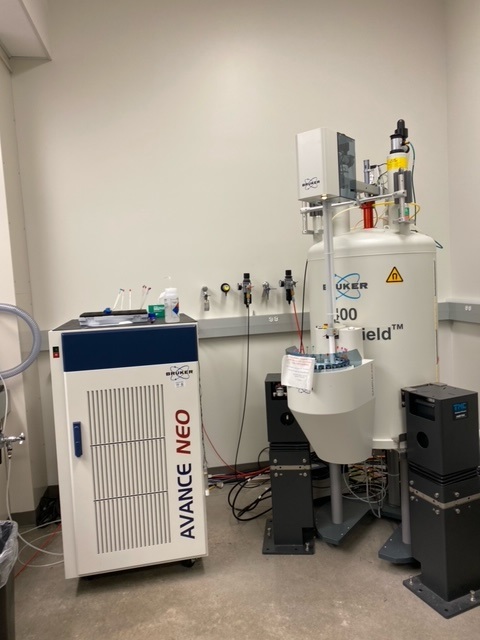
- Bruker AVANCE NEO 400 (AV400): 400 MHz NMR for liquids samples , equipped with iProbe, and 60 sample SampleCase. Funded by NIH-SIG S10 2024; S10OD036347*.
- Bruker AVANCE NEO 600 (AV600): 600 MHz NMR Liquids and Solids samples, equipped with a iProbe, HCN Prodigy Probe, 60 sample Sample Case, and a HXY 4mm Phoenix NMR solids Probe. F`unded by NSF-MRI 2024; Award No. 2406992*.
*When Publishing Using Data Obtained on the AV400 or AV600
- The AV600 NMR was purchased with funding from the National Science Foundation (NSF). Always acknowledge NSF support in publications as follows:
- “This material is based upon work supported by the National Science Foundation under Award No. 2406992.”
- The AV400 NMR was purchased with funding from the National Institutes of Health (NIH). Always acknowledge NIH support in publications as follows:
- “Research reported in this publication was supported bythe National Institutes of Health under award number S10OD036347.”
For more information reach out to Dr. Michele Mailhot.
Mass Spectrometry
The Self Use Mass Spectrometry (MS) Laboratory at ARC provides a diverse range of mass spectrometry solutions for molecular identification, structural analysis, and quantitative applications across various sample types. Our instrumentation supports gas chromatography (GC), liquid chromatography (LC), infusion, dried, and thermal desorption techniques, offering flexibility for a wide range of analytical needs.
Services
- Molecular Identification & Structure Determination: Accurate mass analysis for molecular formula confirmation and fragmentation pattern analysis.
- Intact Protein Analysis: Molecular weight confirmation and detection of post-translational modifications.
- Polymer Characterization: MALDI-TOF/TOF analysis for molecular weight determination (0.5–500 kDa) and end-group analysis.
- Targeted & Untargeted Analysis: Precise screening and quantification of specific analytes and data-driven profiling of complex mixtures.
Instruments
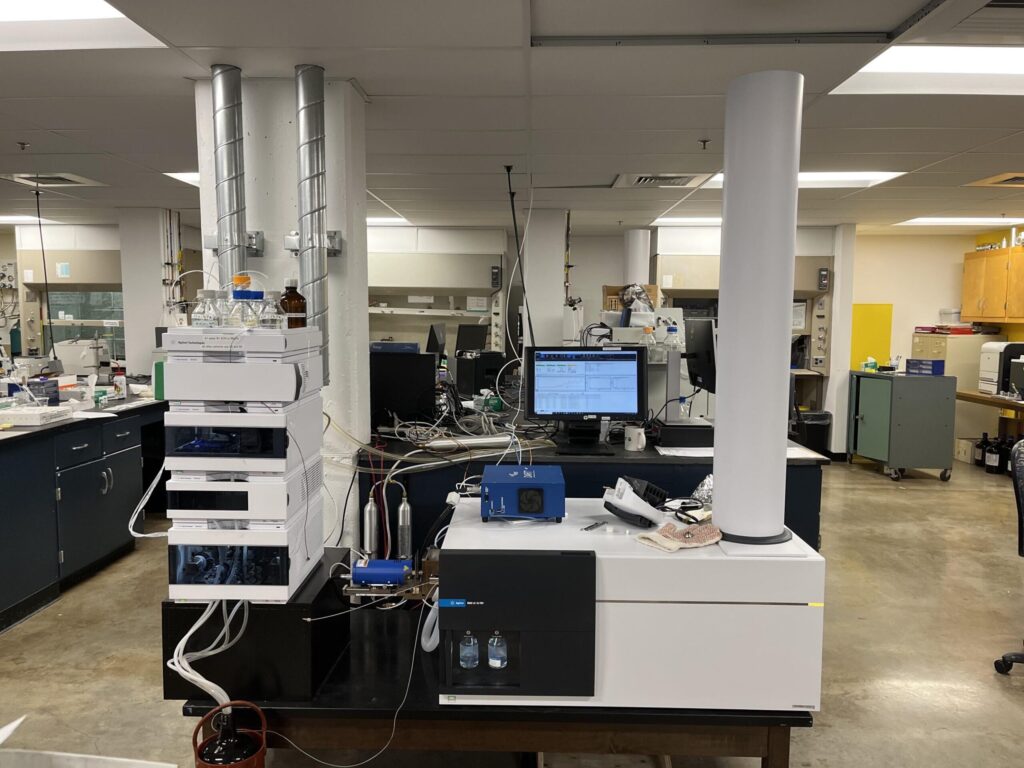
- Agilent 6545 Q-TOF LC/MS (“TOF-U”): Used for accurate mass analysis, metabolomics, and lipidomics. Features high resolution (45,000 FWHM) and mass accuracy (<1 ppm).
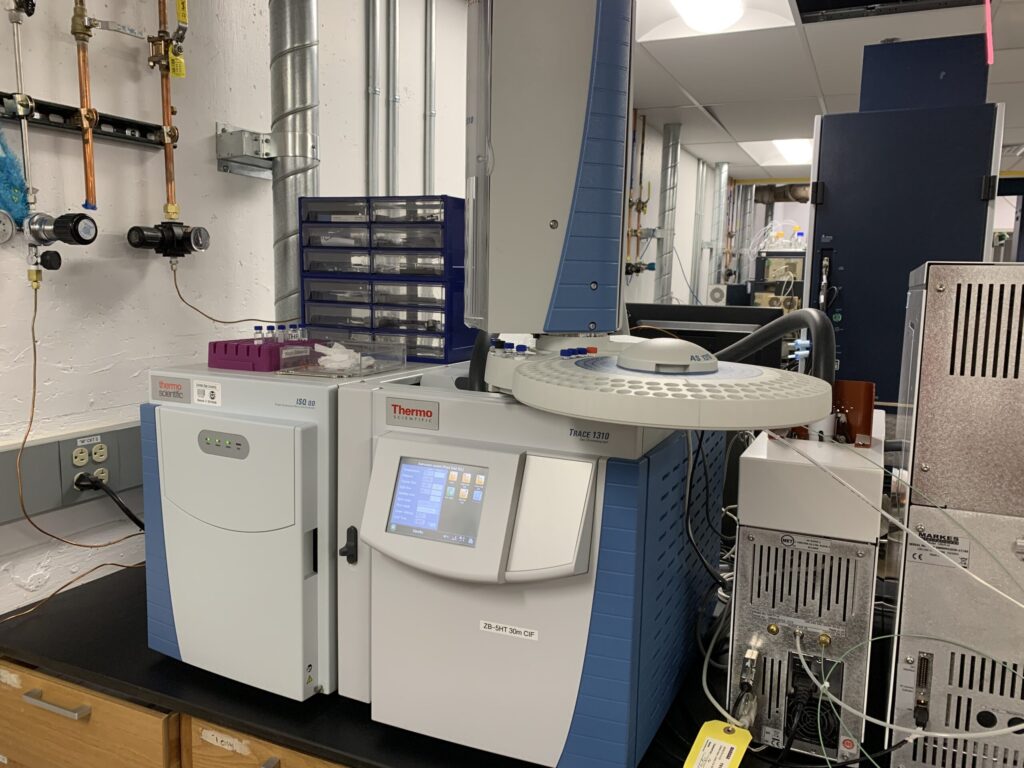
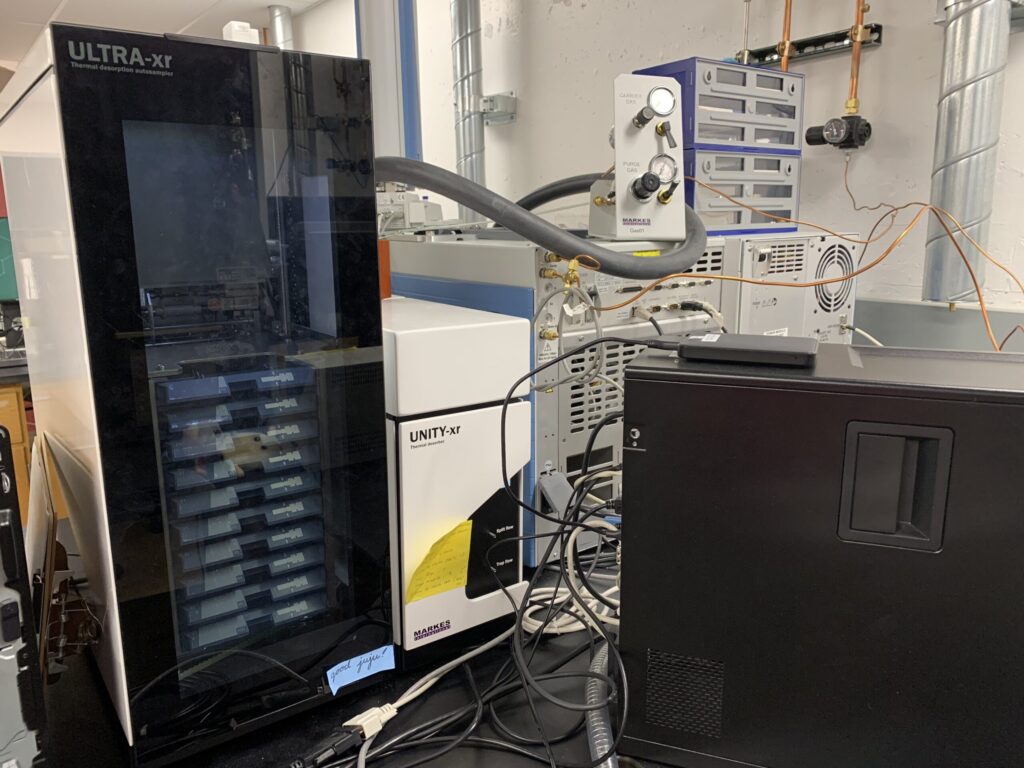
- Thermo ISQ with Markes Thermal Desorption GC/MS: Ideal for structure confirmation and quantitation of volatile compounds with thermal desorption. Comes with offline Markes TD tube desorption system.
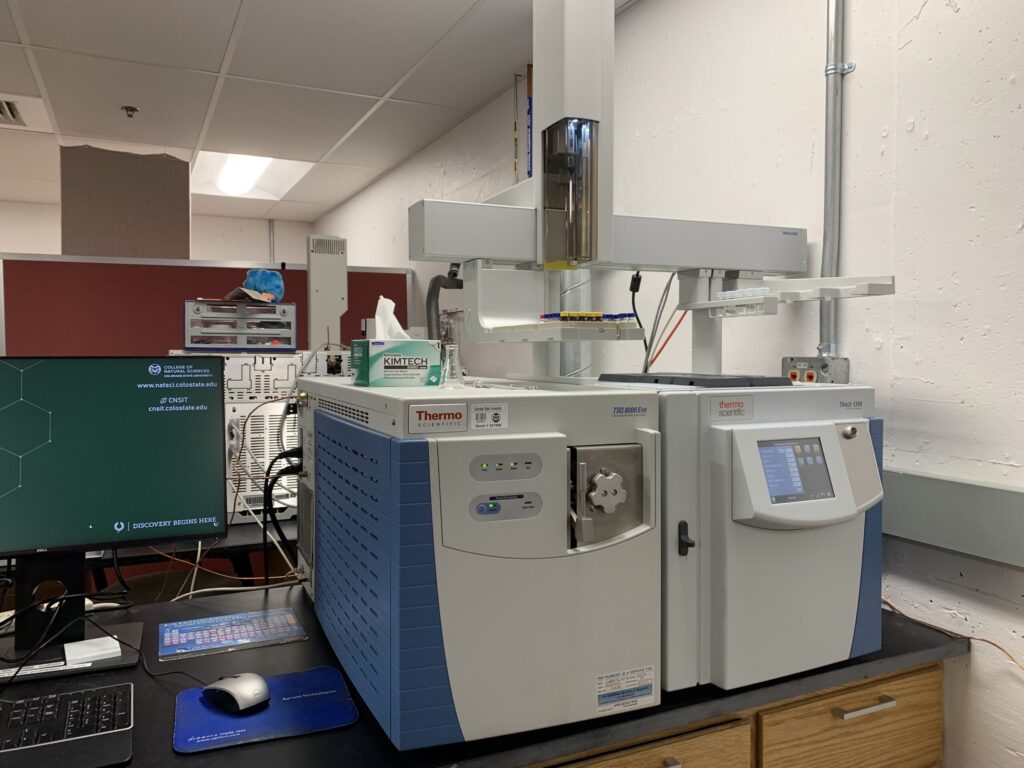
- Thermo TSQ GC/MS: Targets quantitative assays for volatile compounds with triple quadrupole mass analysis.
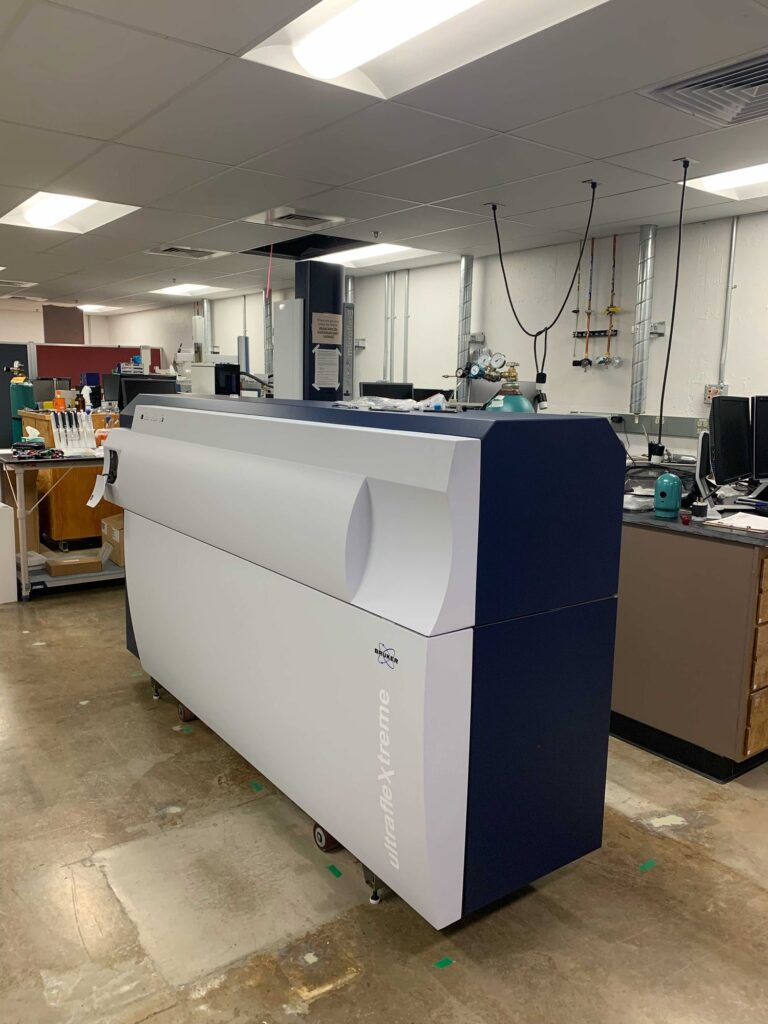
- Bruker UltrafleXtreme MALDI-TOF/TOF: High-resolution MALDI-TOF/TOF mass spectrometer for analyzing macromolecules and small molecules, offering femtomolar sensitivity and advanced structural analysis.
For more information contact Dr. Claudia Boot.
Spectroscopy
Our Spectroscopy Laboratory provides a range of analytical tools for the characterization of molecular structure, composition, and interactions across various sample types.
Services
- Molecular Characterization: Analyze molecular vibrations, functional groups, and chemical bonding in solids, liquids, and gases for a wide range of sample types.
- Fluorescence Analysis: Characterize fluorescent molecules, quantify molecular interactions, and study electronic transitions in materials and biological systems.
- Particle and Nanomaterial Analysis: Measure particle size, distribution, and stability in colloidal suspensions, nanoparticles, and macromolecules in solution.
- Micro-FTIR Analysis: Optical and infrared mapping of microscopic samples (including microplastics) to identify components in a heterogeneous mixture, analysis of chemical homogeneity of polymeric or surface-treated transparent or opaque materials, and analysis and identification of components in material composites.
Instruments
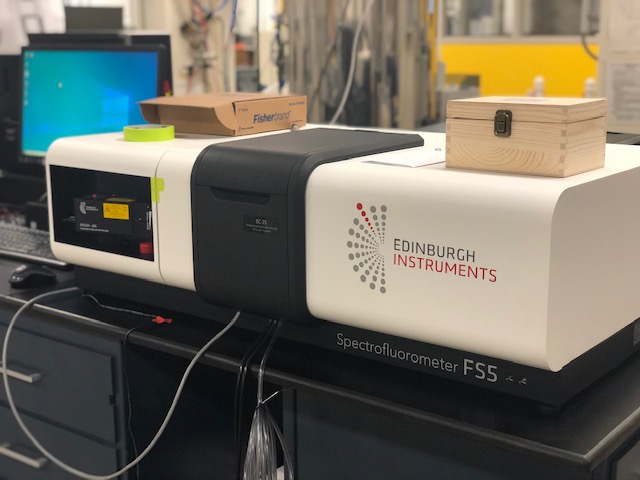
- Edinburgh FS5 Spectrofluorometer: High-performance fluorescence spectrometer with a 150 W xenon lamp for excitation (200-1000 nm) and emission detection (230-870 nm). Features fluorescence lifetime measurements (TCSPC), temperature-controlled and solid sample holders, and an integrating sphere for quantum yield measurements.
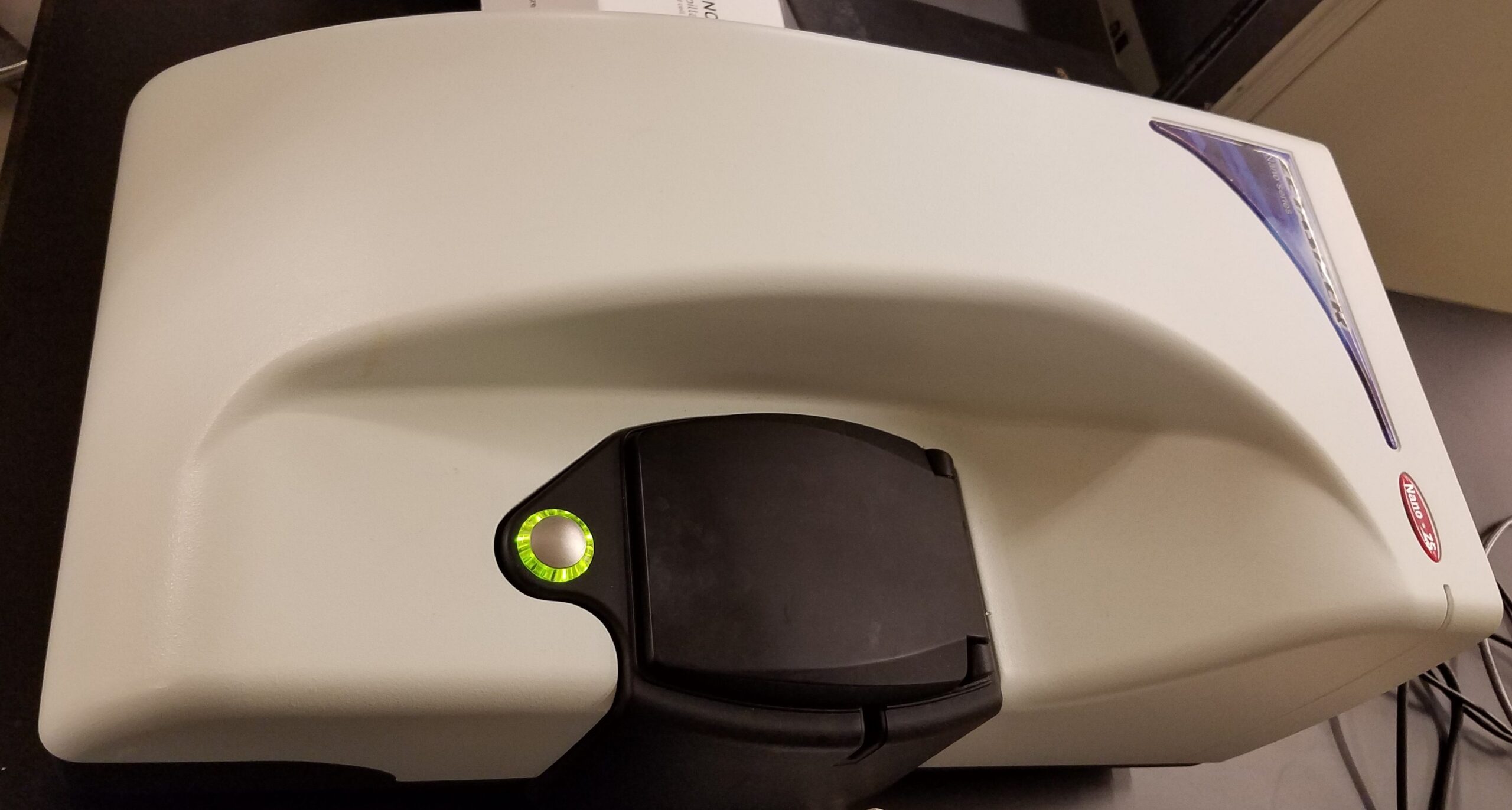
- Malvern Zetasizer Nano ZS: Uses a 633 nm red laser for particle size analysis (DLS), zeta potential measurement for colloidal stability, and microrheology of protein and polymer solutions. Also enables molecular weight determination of macromolecules.
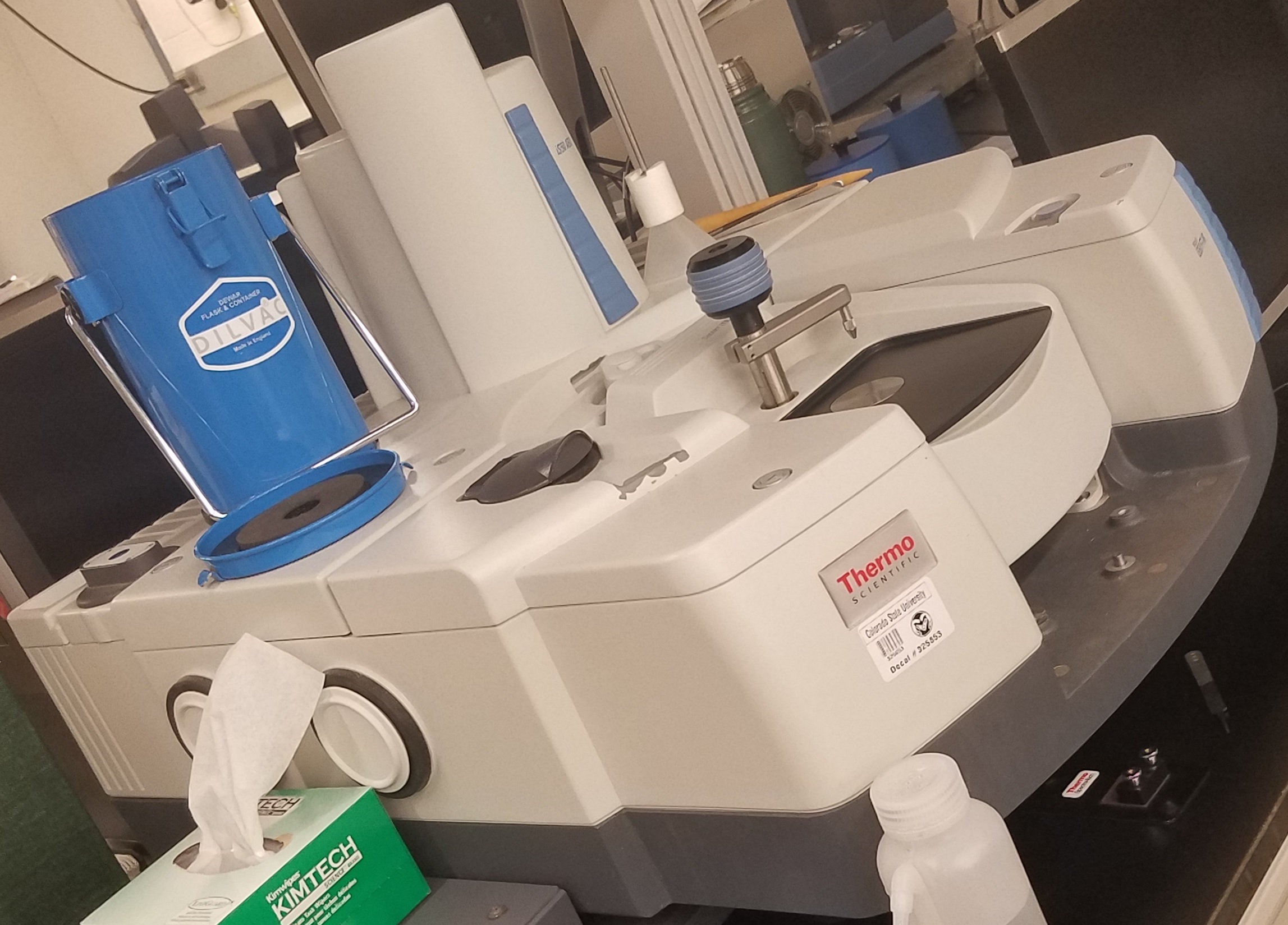
- Nicolet iS-50 FT-IR Spectrometer: Equipped with multiple sampling accessories.
- ATR-Diamond or Germanium crystal: for thin films, powders, and liquids.
- Harrick Grazing Angle Reflectance: for thin films on metal or semiconductor substrates.
- Gemini Diffuse Reflectance: for non-reflecting powder materials.
- Transmission Mode: sample holder and KBr pellet press for preparing transmission experiments.
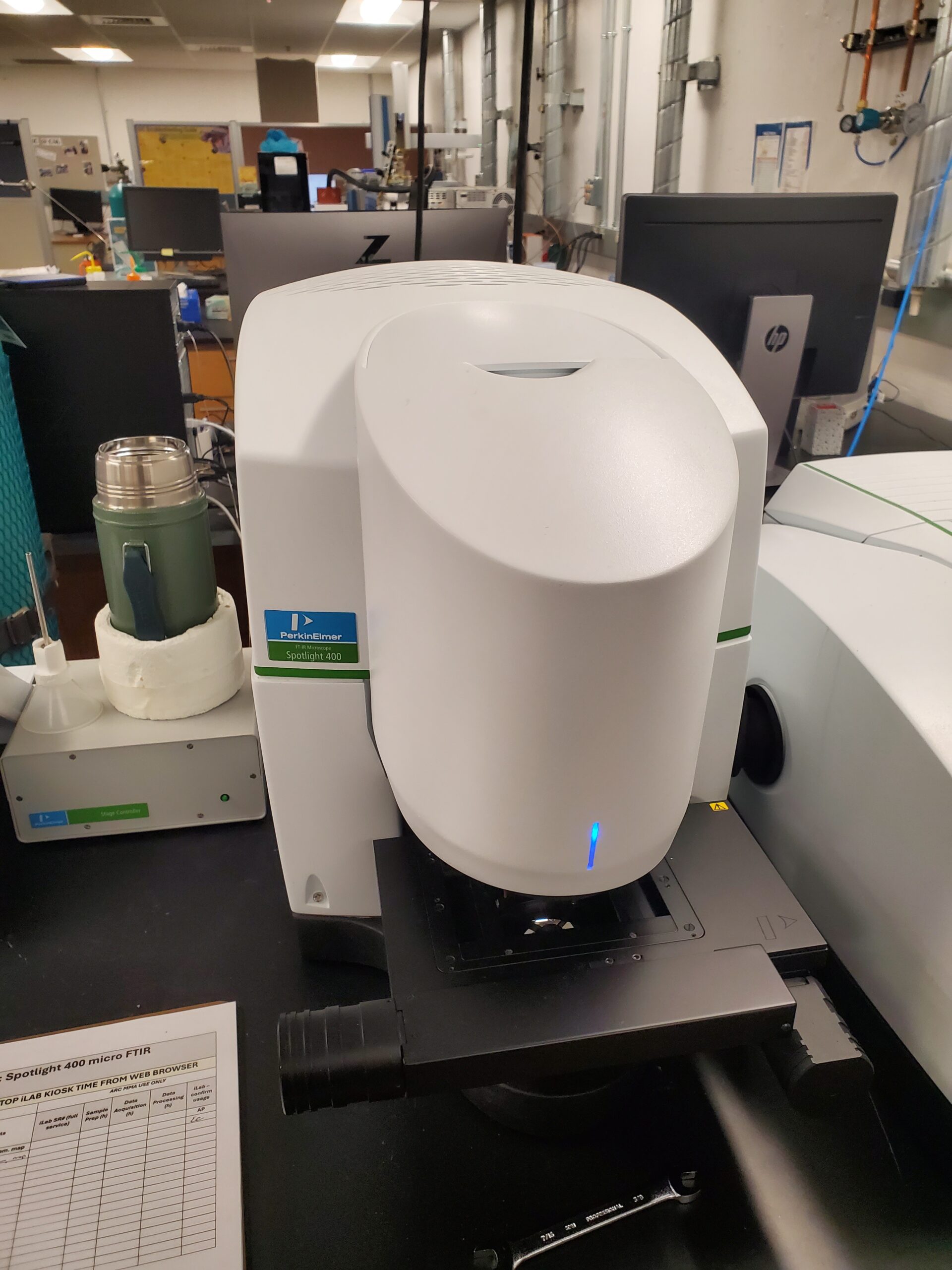
- Perkin Elmer Frontier FTIR with Spotlight 400 microscope: automated micro FTIR analysis.
- Nicolet iS-50 FT-IR Spectrometer: Equipped with multiple sampling accessories.
- Reflectance, transmission, and Ge-ATR with ~6.5 μm resolution.
- Operates in point mode and a scanning mode for automated sampling.
- Automated sample stage for large area (2 mm x 2 mm) optical and IR mapping.
- Equipped with a high sensitivity Cadmium Mercury Telluride (CMT) detector.
- Gold coated filters and filtering apparatus available on request for microplastic analysis.
For more information, contact Dr. Indrani Bhowmick for fluorometer and DLS, Dr. Ethan Crace for FTIR instruments.
X-ray diffraction & crystallography
The X-ray Diffraction (XRD) and Crystallography Laboratory at ARC provides structural characterization for a wide range of crystalline and amorphous materials in powder, thin film, and single crystal form. Our various instrumental techniques can be used to determine such as: the structure of new compounds, monitor material changes under various conditions ex situ and in situ, and provide particle size and film thickness information.
Our crystallographer has a specialized focus on small-molecule and hybrid organic-inorganic material single-crystal X-ray diffraction (SCXRD). Our team offers expert support across the full workflow, from crystal growth and screening to unit cell determination, structure solution, refinement, and CIF preparation for publication. We are particularly experienced in solving complex structural issues, including twinning, disorder, and absolute structure determination. We routinely support high-quality, publication-ready results.
The lab operates in both full-service and self-use modes, with guidance available for experimental design, crystallization strategies, and structural analysis via staff office hours and additional times on request.
Services:
- X-ray Diffraction for Powders and Thin Films – Determine structural properties, phase composition, approximate crystallite size, and film thickness. Thin film samples can be examined with a ¼ Eulerian cradle for grazing incidence X-ray diffraction (GIXRD) and X-ray reflectometry (XRR) or with a sample spinner stage for basic GIXRD. Air-sensitive sample holders and stages are available for analysis of sensitive samples. Variable temperature analysis available on request (see below). Sample amounts as low as ~50 mg can be analyzed with zero background holders.
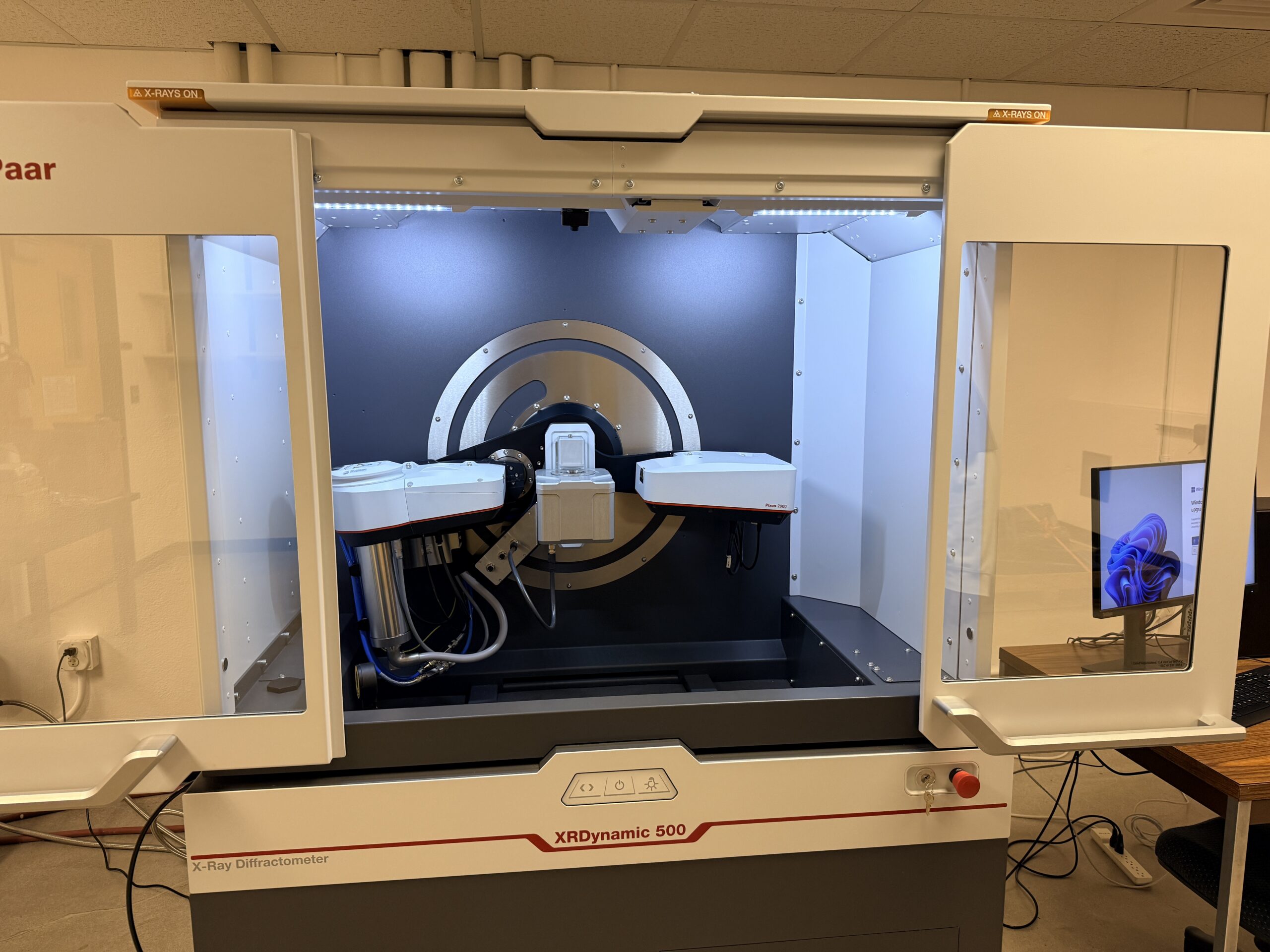
- Small Angle X-ray Scattering (SAXS) Analysis – Allows analysis of crystalline and amorphous solid or liquid samples with features sizes <60 nm (qmin = 0.05 nm-1 or Bragg spacing d = 125 nm). Experiment is conducted in a XRDynamic 500 cabinet instrument. Samples are analyzed in transmission mode in capillaries or solid/paste sample holders. Macromolecule and nanoparticle size determination is possible in solution.
- Pair Distribution Function (PDF) Analysis – Crystalline and amorphous samples can be analyzed to determine local structure and defect information using our XRDynamic 500 instrument. The system employs a capillary stage, Mo x-ray source, and focusing optics to analyze samples.
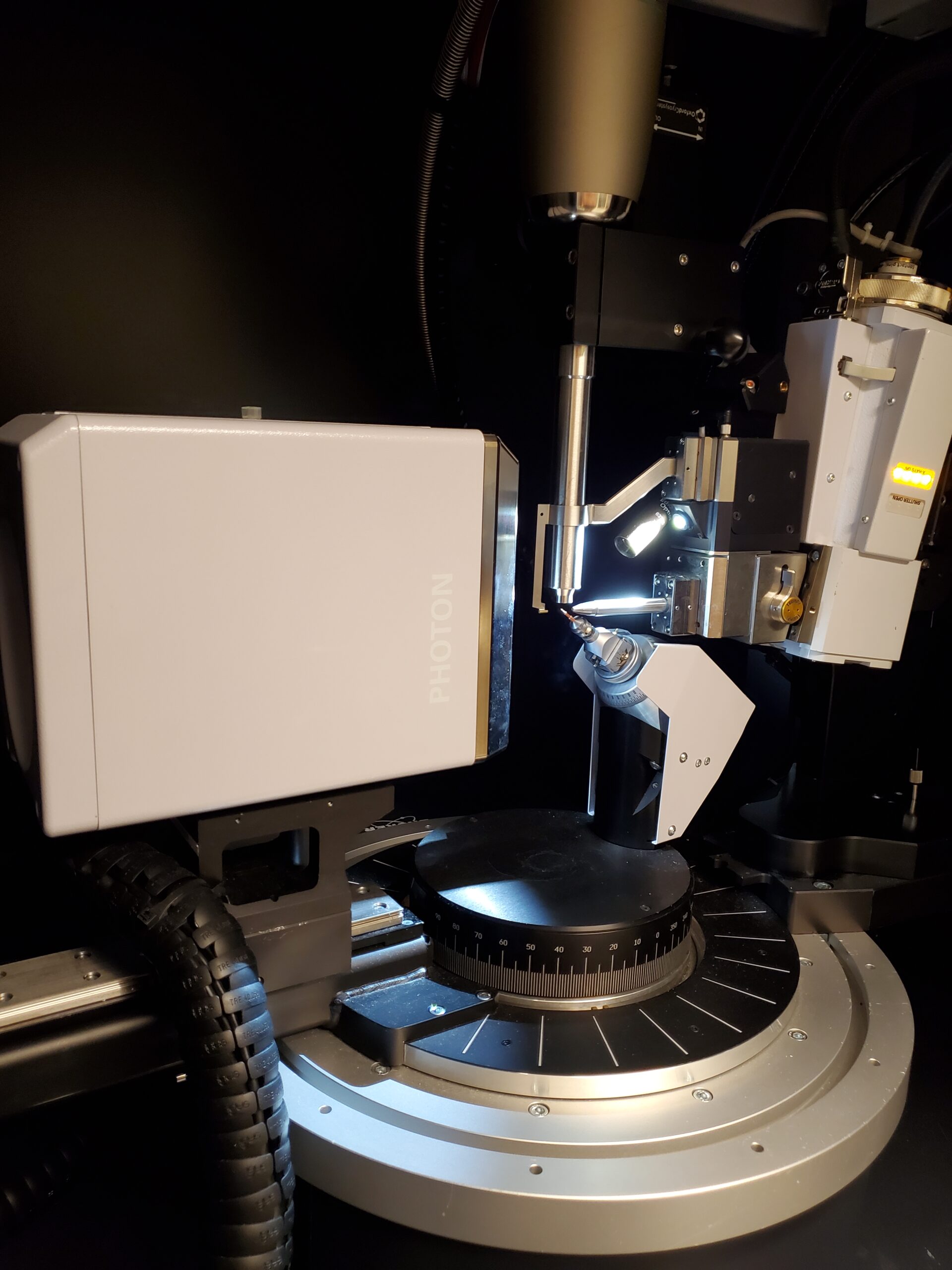
- Single-Crystal X-ray Diffraction – Obtain high-resolution 3D molecular and crystal structures for small-molecule, hybrid materials, and inorganic compounds, including complex or disordered systems. System accommodates air sensitive samples and can perform variable temperature analysis. Crystal sizes of approximately 50-100 micrometers are typically successful.
- Crystallization Support and Screening – Expert assistance with crystal growth using a range of methods (e.g., vapor diffusion, evaporation, layering, and solvothermal methods). Service is for small molecule crystallography only.
- DEA licensed for Schedule II-IV Samples: Our Core Facility is authorized under a DEA license to receive, handle, and analyze controlled substances classified as Schedule II–IV. This includes active pharmaceutical ingredients (APIs) and other regulated compounds.
- Single-crystal XRD for structure determination and absolute structural confirmation
- Powder XRD for phase identification and polymorph analysis
Instruments:
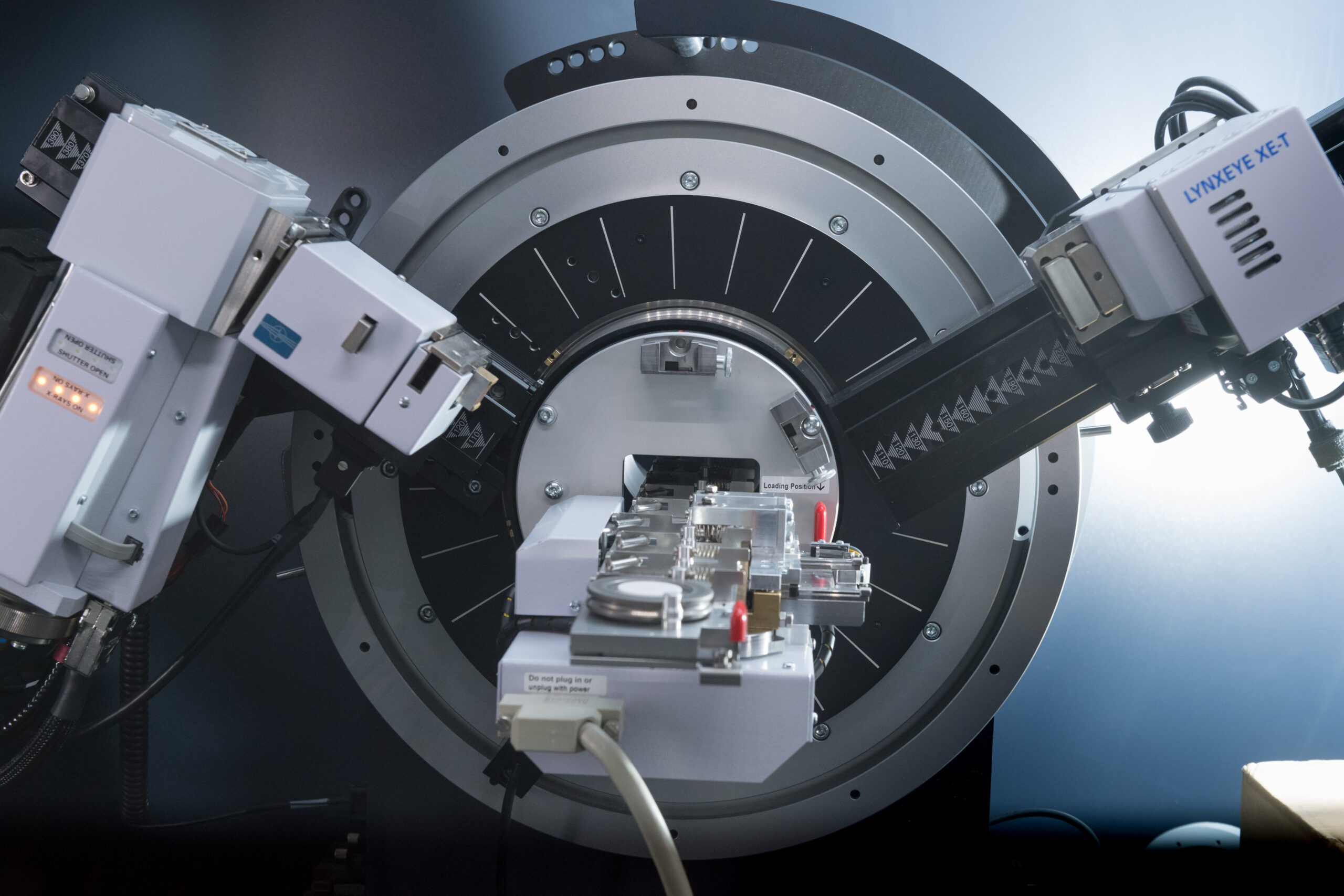
- Bruker D8 Discover DaVinci (Powder XRD) – Non-destructive phase analysis or powder and thin film samples including approximate particle size in reflectance or transmission mode. Only Bragg-Brentano geometry with divergent optics are available on this instrument. Air-free and zero-background (Si or SiO2) sample holders are available on request. Default sample stage is the FLIPSTICK 9-slot sample changer for automated sample analysis. System has divergent beam optics only. Detector is a Lynxeye XE-T detector with energy discriminator to filter Cu Kβ and x-ray fluorescence. System has an optional Anton Paar HTK-1200N stage for variable temperature capabilities (25–1200 K) under air or vacuum. Variable temperature samples can be placed in capillaries or a corundum (Al2O3) sample stage.
- Anton Paar XRDynamic 500 (Modular XRD)– A multi-technique X-ray diffraction system capable to performing experiments including monochromated (single bounce) Bragg-Brentano XRD, GIXRD, SAXS, in situ electrochemistry and in operando battery work, PDF analysis. The system has Cu and Mo x-ray sources; parallel beam (Cu only), monochromator (single bounce for all wavelengths), and focusing (Mo only) optics; and EVAC module for air-free experiments. Air-free and zero-background (Si or SiO2) sample holders are available on request.
- Bruker D8 Advance QUEST (Single Crystal XRD) – Determines crystal structures of small-molecule, hybrid, and inorganic single crystals. System is equipped with a Mo Kα x-ray source, Photon 50™ detector, and Oxford cryostat for variable temperature control (80–400 K) and air-free sample handling. System can also accommodate powder samples in capillaries for variable temperature powder measurements.
For more information contact Dr. Ethan Crace.